Sluggish Metabolism: Causes, Symptoms & How to Naturally Boost It
A sluggish metabolism can make weight loss feel impossible, even when you’re eating clean and exercising. In this guide, we break down what slow metabolism really means, why it happens, and science-backed ways to naturally boost it for better energy and fat burning.
Dr. Dharm Choudhary
Behavioral scientist and writer exploring the science of habits, well-being, and human performance.
If you feel like you’re doing everything right — eating healthy, exercising regularly — but the scale won’t move, a sluggish metabolism could be the reason. Metabolism plays a central role in how your body converts food into energy and how efficiently it burns calories.
In this article, we’ll explain what a slow metabolism really means, common causes behind it, and practical ways to naturally boost it for better fat-burning and energy levels.
A healthy metabolism supports energy, weight balance, and overall wellness.
What Is Metabolism?
Metabolism refers to all the chemical processes in your body that keep you alive and functioning. It determines how many calories you burn at rest and during activity. Your basal metabolic rate (BMR) accounts for the majority of calories burned daily.
When metabolism slows down, your body burns fewer calories — which can lead to:
Unexplained weight gain
Difficulty losing fat
Low energy levels
Increased cravings
Common Causes of Sluggish Metabolism
1. Aging
As we age, muscle mass naturally declines, and metabolism slows. Less muscle means fewer calories burned at rest.
2. Low Muscle Mass
Muscle tissue burns more calories than fat tissue. A sedentary lifestyle can significantly reduce metabolic efficiency.
3. Chronic Dieting
Extreme calorie restriction can signal your body to conserve energy, slowing metabolic processes.
4. Poor Sleep & Stress
Lack of sleep and chronic stress can disrupt hormones that regulate appetite and metabolism.
How to Boost Metabolism Naturally
1. Increase Protein Intake
Protein has a higher thermic effect than fats or carbohydrates. This means your body burns more calories digesting protein-rich foods.
2. Build Lean Muscle
Strength training 2–4 times per week can increase muscle mass and raise your resting metabolic rate.
3. Stay Active Throughout the Day
Small movements like walking, stretching, and standing frequently contribute to daily calorie burn.
4. Support Thermogenesis
Thermogenesis is your body’s process of producing heat and burning calories. Certain natural compounds, green tea extracts, and citrus-based ingredients may support this process when combined with a balanced lifestyle.
Balanced nutrition plays a key role in maintaining a healthy metabolism.
Can Supplements Help?
While no supplement replaces proper nutrition and exercise, some metabolism-support formulas are designed to complement a healthy lifestyle.
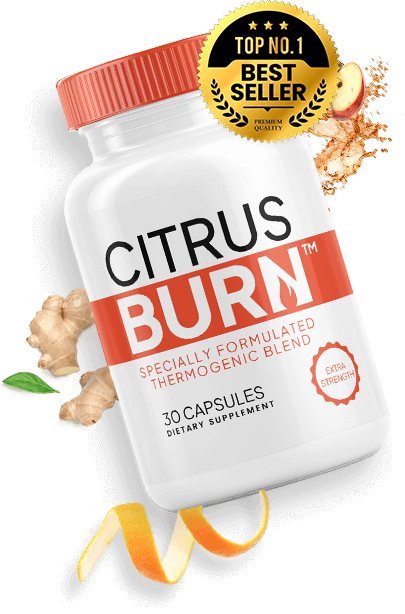
For example, citrus-based metabolism support supplements are formulated with ingredients traditionally associated with thermogenesis and energy balance.
Citrus-based metabolism support formula designed to complement healthy habits.
Disclosure: This post may include affiliate links. Always consult a healthcare professional before starting any supplement.
Key Takeaways
A sluggish metabolism can impact weight, energy, and cravings.
Muscle mass, sleep, stress, and diet all influence metabolic rate.
Strength training and protein intake are powerful natural boosters.
Metabolism-support supplements may complement healthy habits.
Conclusion
A slow metabolism doesn’t mean you’re stuck. With the right approach — focusing on nutrition, movement, muscle building, and overall lifestyle balance — you can naturally support your body’s calorie-burning potential.
Consistency matters more than quick fixes. Build sustainable habits, prioritize recovery, and support your metabolism the smart way.
Share
Newsletter
Stories worth reading, weekly
Get our best articles delivered to your inbox every Friday. Thoughtful writing on tech, creativity, and life — no spam, unsubscribe anytime.